
Crowns in Arlington Heights
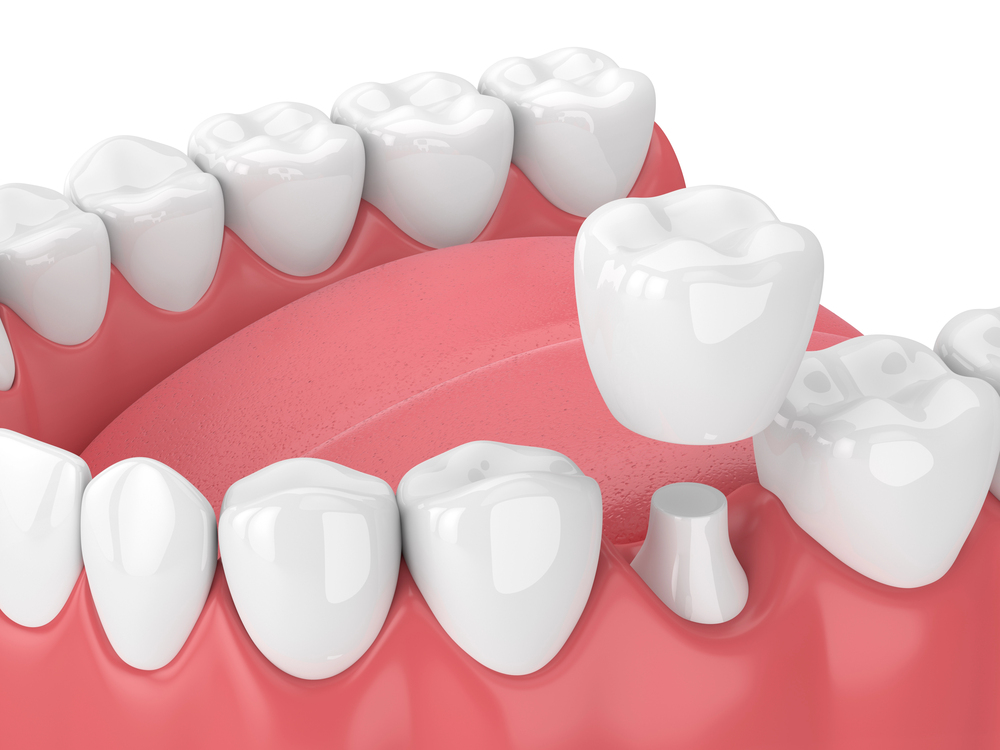
Maybe you bit into something hard and felt a piece of a back tooth give way. Maybe an old, oversized filling has started to crack, or you just finished root canal therapy and were told the tooth needs extra protection. In each of these situations, a dental crown is often the most practical way to keep the natural tooth working. At Arlington Dental Care, we place crowns for patients throughout Arlington Heights who want a durable, natural-looking fix without bouncing between offices.
A dental crown is a custom-made cap that covers the entire visible portion of a tooth above the gumline. Instead of patching one small area the way a filling does, a crown surrounds the tooth and holds it together. That makes it a good choice when a tooth is too damaged, weakened, or worn for a filling to hold up under everyday chewing.
Crowns serve both restorative and cosmetic purposes. Some patients need one to protect a cracked molar. Others want a crown to improve the shape or appearance of a front tooth. Because Dr. Apurva Patel and Dr. Alexander Kletsel both focus on cosmetic and family dentistry, we pay attention to how a crown functions and how it fits with the rest of your smile.
Crowns are one part of the broader restorative care we provide in Arlington Heights. They often work alongside other treatments. After root canal therapy on a molar, premolar, or front tooth, a crown is commonly recommended to protect the treated tooth. Crowns are also used on top of dental implants to replace a missing tooth, and they serve as the anchors for bridges that span a gap.
Because we offer these related services in one office, your treatment can move from one step to the next with the same team. That means fewer referrals, less repeated paperwork, and a care plan coordinated by people who already know your history.
Do I actually need a crown, or would a filling work?
It depends on how much healthy tooth structure remains. That is something we determine during a dental exam. Small cavities are usually best treated with fillings. When decay, fractures, or old restorations have weakened a large portion of the tooth, a crown may offer better protection.
Situations where we commonly talk with patients about crowns include:
- A cracked, chipped, or broken tooth
- A large filling that is failing or leaves little natural tooth behind
- A tooth that has had root canal therapy
- A tooth that is badly worn or misshapen
- Replacing a single missing tooth with an implant
- Supporting a bridge
Candidacy covers a wide range of ages. We see patients from their first birthday through adulthood, so we can evaluate whether a crown makes sense for a teenager with a damaged tooth or an adult with decades-old dental work. If a crown isn't the right fit, we'll explain the alternatives clearly.
What happens during the crown process?
The process typically begins with an exam and a conversation about your goals. Next, we prepare the tooth by removing damaged areas and reshaping it so the crown can fit securely over it. We then capture the tooth's shape so the crown can be custom-made to match your bite and blend with the teeth around it.
Patient comfort is a priority throughout. We take time to explain each step, check in with you during the appointment, and answer questions before we begin. If you arrived with a painful or broken tooth, we also offer emergency dental appointments, so Arlington Heights patients don't have to wait long to be seen when something goes wrong.
How do I take care of my crown afterward?
Care for a crown much as you would a natural tooth. Brush twice daily, floss around the crown carefully, and keep up with regular checkups. The crown itself can't decay, but the natural tooth underneath and the gumline around it still need attention.
Our dental hygienists on staff help with this during routine dental cleanings. They clean the areas where the crown meets the tooth, and at checkups we can spot early signs of wear or problems. If you tend to chew ice or hard objects, cutting back on that habit helps protect both your crowns and your natural teeth.
How can I pay for a dental crown?
We accept most dental insurance plans and will work with you to understand how your coverage applies to crown treatment. We also welcome self-pay patients who don't carry insurance.
For patients without coverage, we offer an in-house membership plan as another way to make care more manageable. Our front office team can walk you through these options before treatment, so you know what to expect. If a tooth has been bothering you, contact our Arlington Heights office to schedule an exam and get clear answers about your next steps.