
Cavity Detection in Arlington Heights
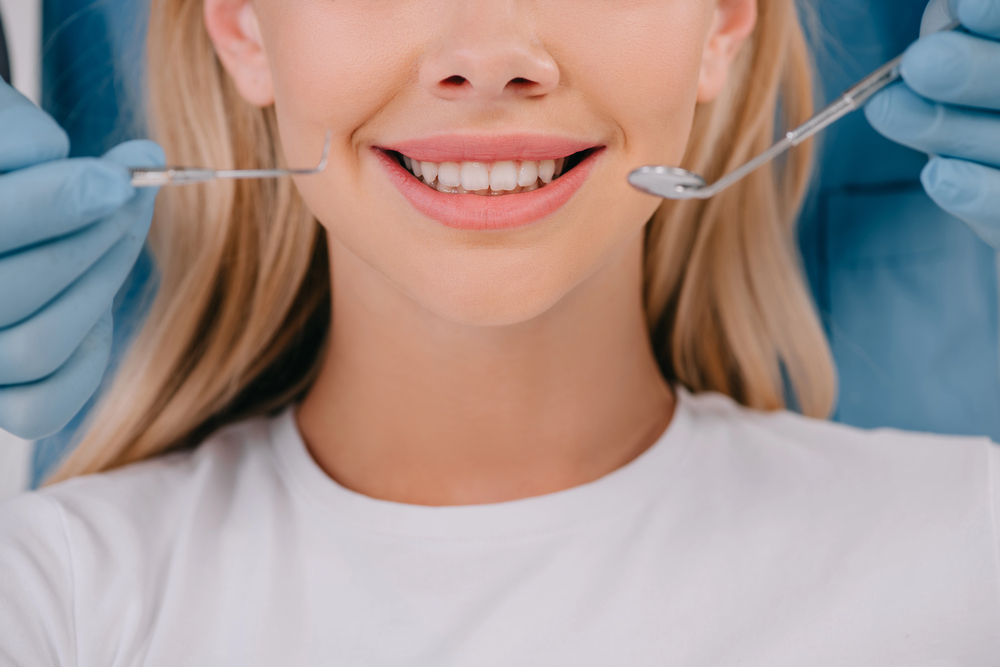
A small cavity rarely announces itself. It usually starts as a faint chalky spot or a tiny soft area between two teeth, long before you feel any sensitivity. By the time a tooth aches, the decay has often moved deeper. That is why cavity detection is one of the most valuable parts of a routine visit, and why our team at Arlington Dental Care makes it a priority for every patient in Arlington Heights, from toddlers to grandparents.
Cavity detection is the process of finding tooth decay as early as possible, ideally while it is still small and simple to treat. Decay develops when bacteria in plaque produce acids that gradually weaken enamel. Early on, the damage may be limited to the outer surface. Left alone, it can reach the softer layer underneath and eventually the nerve of the tooth.
During your dental exam, our dentists look closely at every tooth surface, including the chewing grooves on back teeth, the spaces between teeth, and the areas along the gumline where plaque tends to collect. Our dental hygienist also plays a key role. While cleaning your teeth, the hygienist often notices changes in texture or color that are worth a closer look. Finding decay together this way means fewer surprises and more options for you.
The earlier a cavity is found, the more conservative the care can be. A small area of decay can often be treated with a simple dental filling, while a cavity that goes unnoticed may eventually need a crown or root canal therapy. Catching problems early helps protect more of your natural tooth.
Regular cavity detection supports your oral health in several practical ways:
- Smaller, simpler treatments when decay is found early
- Better chance of preserving natural tooth structure
- Fewer unexpected toothaches and emergency visits
- Clear information to help you make decisions about your care
- Preventive options like fluoride or sealants that can lower future risk
For families in Arlington Heights, these benefits add up over time. Seeing parents and children in the same office makes it easier to keep everyone on a consistent schedule of checkups.
Who should have their teeth checked for cavities?
Everyone with natural teeth benefits from regular cavity detection, at every age. We see patients from their first birthday through adulthood, so we can follow your family's dental health as it changes over the years.
Children can be especially prone to decay in the deep grooves of new molars, which is why we pair checkups with options like dental sealants and fluoride treatment when appropriate. Teens with busy schedules and snacking habits benefit from steady monitoring. Adults may develop decay around older fillings or crowns, or along the gumline. If you have noticed sensitivity to sweets or cold, a rough spot, or food catching between teeth, those are good reasons to schedule a visit. If you are in pain, we also offer emergency dental appointments.
What happens after a cavity is found?
After we find a cavity, we explain exactly what we see and talk through your options before any treatment begins. We want you to understand why a recommendation is being made and what it involves.
The right treatment depends on the size and location of the decay. Many early cavities are repaired with a filling. Larger areas may call for a crown to restore strength, and decay that has reached the nerve may need root canal therapy. When an area looks like it is just beginning to weaken, we may suggest preventive steps and keep a close eye on it at your next visit. Because Dr. Apurva Patel and Dr. Alexander Kletsel provide a wide range of restorative care right here in our Arlington Heights office, most patients can complete their treatment without being sent elsewhere.
How can I prevent new cavities at home?
The best way to prevent new cavities is consistent daily care combined with regular checkups. Brushing twice a day, cleaning between your teeth daily, and limiting frequent sugary snacks and drinks all help reduce the acid attacks that lead to decay.
Your professional dental cleaning removes buildup that brushing misses, and each visit gives us another chance to spot changes early. We are happy to offer tips tailored to your situation, whether you are helping a young child learn to brush or caring for teeth with existing restorations.
How can I pay for cavity detection and treatment?
We accept most dental insurance plans, and cavity detection is typically part of a routine exam. Our team can help you understand how your benefits apply before treatment.
We also welcome self-pay patients. For those without insurance, our in-house membership plan offers another way to make regular preventive care more manageable. If you live or work in Arlington Heights and it has been a while since your last checkup, we would be glad to see you and help keep small problems from becoming bigger ones.